Cryo-EM Insights into pH Regulation in Breast Cancer
Cryo-EM and computational modeling reveal the structure and transport mechanism of NBCn1, a key pH regulator in breast cancer.
Breast cancer affects about 1 in 12 women during their lifetime [1] and is characterized by substantial biological heterogeneity and distinct epidemiological patterns [2]. Fortunately, in the last decades we have seen great improvements in the outcomes of this diagnosis, especially thanks to screening programs and awareness initiatives, including Breast Cancer Awareness Month every October [3]. However, breast cancer remains one of the leading causes of cancer-related death among women worldwide [4], and the incidence of breast cancer continues to rise [5].
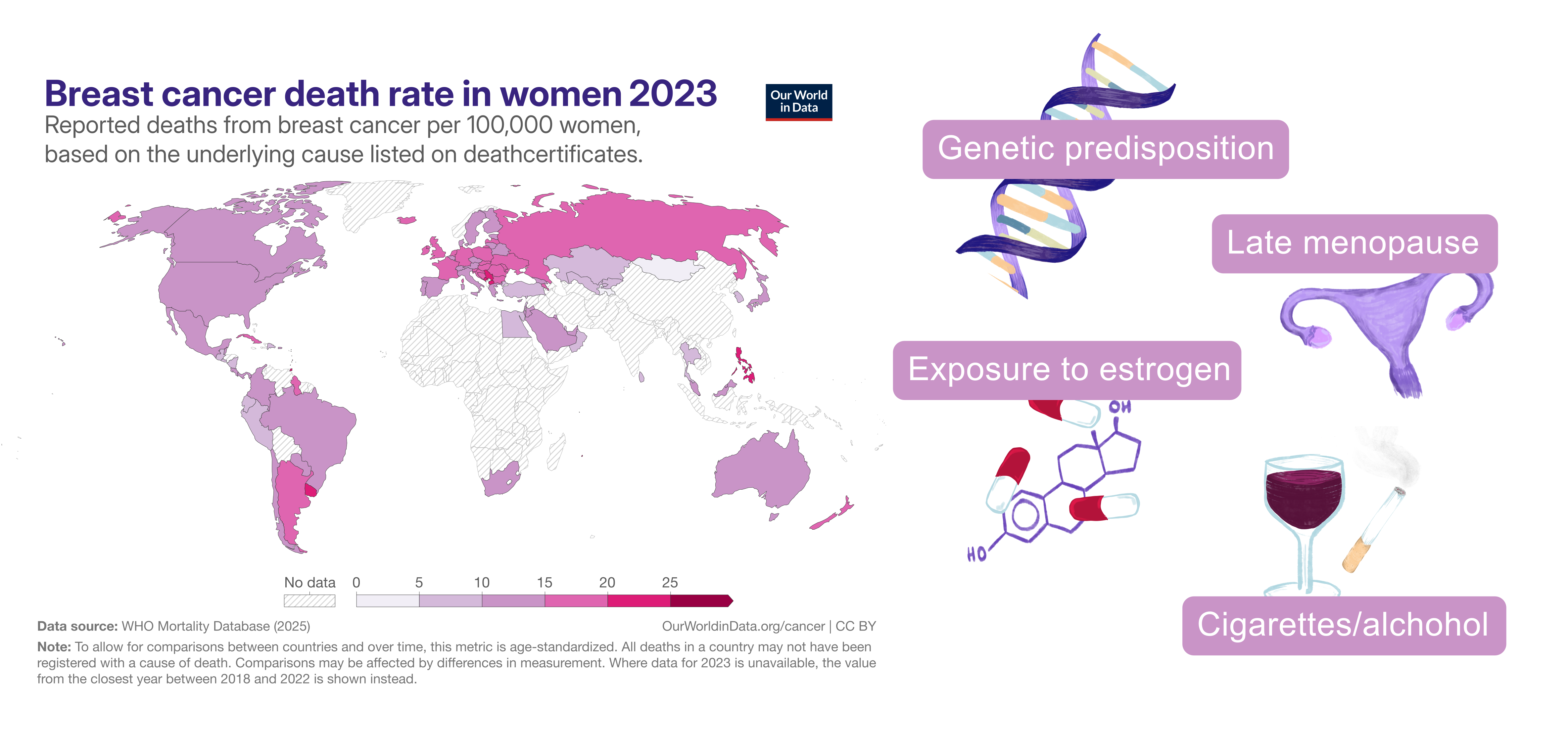
Breast cancer development and progression are shaped by a complex interplay of genetic, environmental, and lifestyle factors, and understanding the molecular mechanisms underlying tumorigenesis remains a major focus of research [2]. A 2025 Nature Communications publication adds a piece to this complex puzzle, providing structural and mechanistic insights into NBCn1, a pH-regulating membrane transporter that helps breast cancer cells maintain the intracellular conditions required for survival and growth.
NBCn1 and the Tumor Microenvironment: Acidic Outside, Alkaline Inside
The rapid growth and proliferation of tumor cells require substantial amounts of energy. To meet these demands, cancer cells frequently rely heavily on glycolysis, producing large amounts of lactate and generating an acid load. The resulting accumulation of lactate and H⁺ contributes to the characteristic acidification of the tumor microenvironment, which can promote tumor invasion, angiogenesis, immune suppression, and drug resistance [6, 7].
But in such an acidic environment, how do breast cancer cells maintain the intracellular conditions required to survive and proliferate?
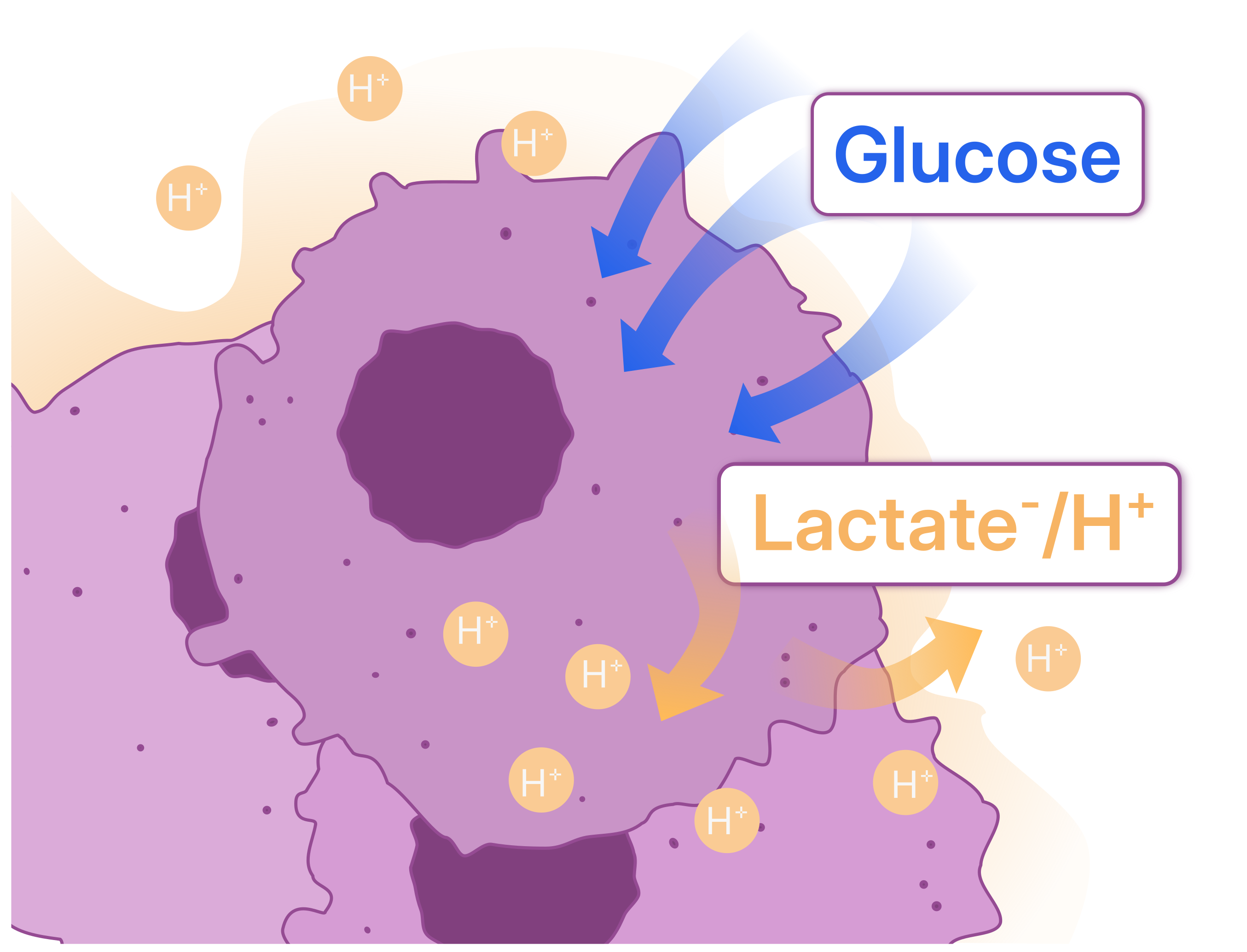 The Warburg effect is the tendency of cancer cells to rely heavily on glycolysis and convert glucose-derived pyruvate into lactate, even in the presence of oxygen, contributing to acidification of the tumor microenvironment.
Cancer cells can upregulate plasma membrane transport proteins that mediate base loading or H⁺ efflux, helping maintain a relatively alkaline intracellular pH even as their surroundings become acidic. Among these transporters, NBCn1 imports base equivalents into the cell, contributing to increased intracellular pH, generating a reverse pH gradient. NBCn1 belongs to the SLC4 family of membrane transporters, whose members mediate the transport of HCO₃⁻ or CO₃²⁻ coupled to Na⁺ and/or Cl⁻ through different symport or exchange mechanisms.
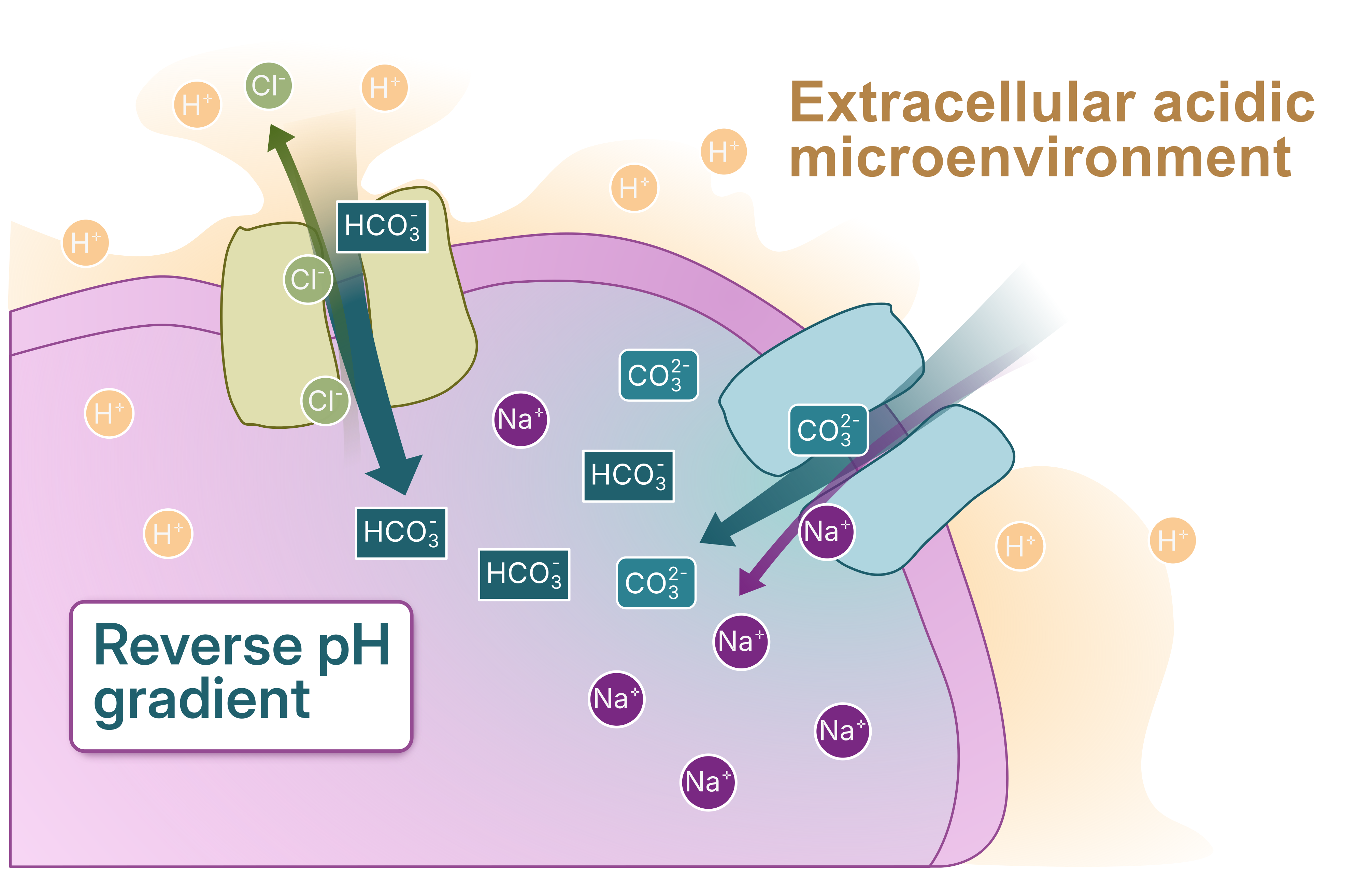
The publication discussed in this blog post presents the first experimentally determined cryo-EM structure of human NBCn1. By integrating this structure with homology modeling, molecular simulations, and functional experiments, the authors propose an ion transport mechanism that could explain how NBCn1 achieves exceptionally rapid base transport and helps breast cancer cells maintain their characteristic intracellular-extracellular pH gradient.
From Cryo-EM Structure to Proposed Transport Mechanism
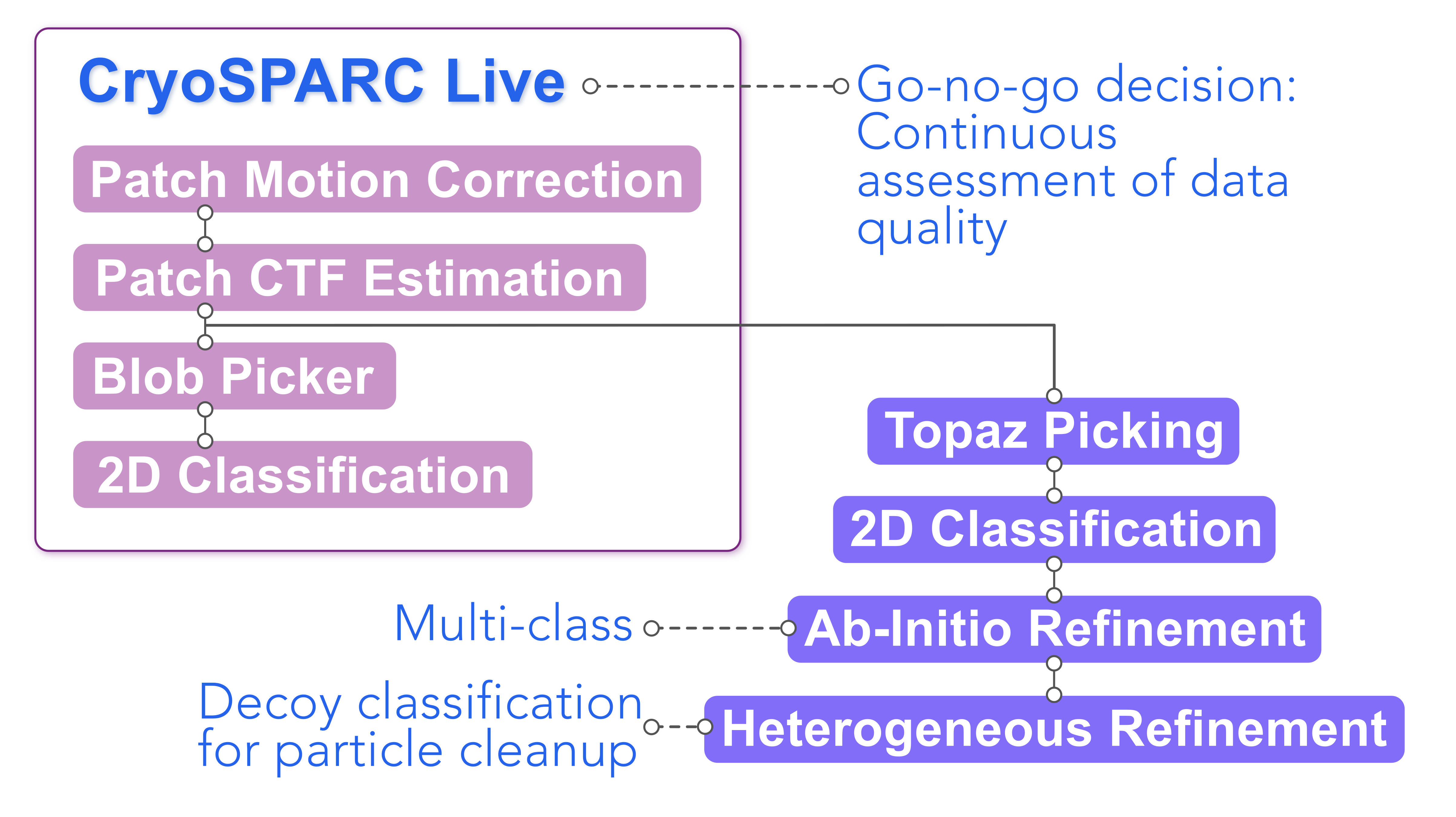
Recombinantly expressed human NBCn1 was analyzed by single-particle cryo-EM. CryoSPARC Live was used for real-time preprocessing during data collection, including Patch Motion Correction and Patch CTF Estimation, while streamlined Blob Picker and 2D Classification provided continuous assessment of data quality.
Following data collection, the micrographs were manually curated and Topaz Picking was used to generate the particle stack, followed by two rounds of 2D Classification. Multi-class Ab-Initio Reconstruction and subsequent Heterogeneous Refinement were then used as a decoy classification strategy for particle cleanup. After additional classification and refinement steps, the authors obtained three reconstructions at 3.3–3.5 Å resolution, with the highest-resolution map reaching 3.3 Å.
The resulting structure revealed an outward-facing (OF), homodimeric assembly of NBCn1, with an extracellular-facing cavity containing densities corresponding to the transported ions. These densities were interpreted as Na⁺ and CO₃²⁻ bound approximately halfway across the membrane in the central ion-binding site.
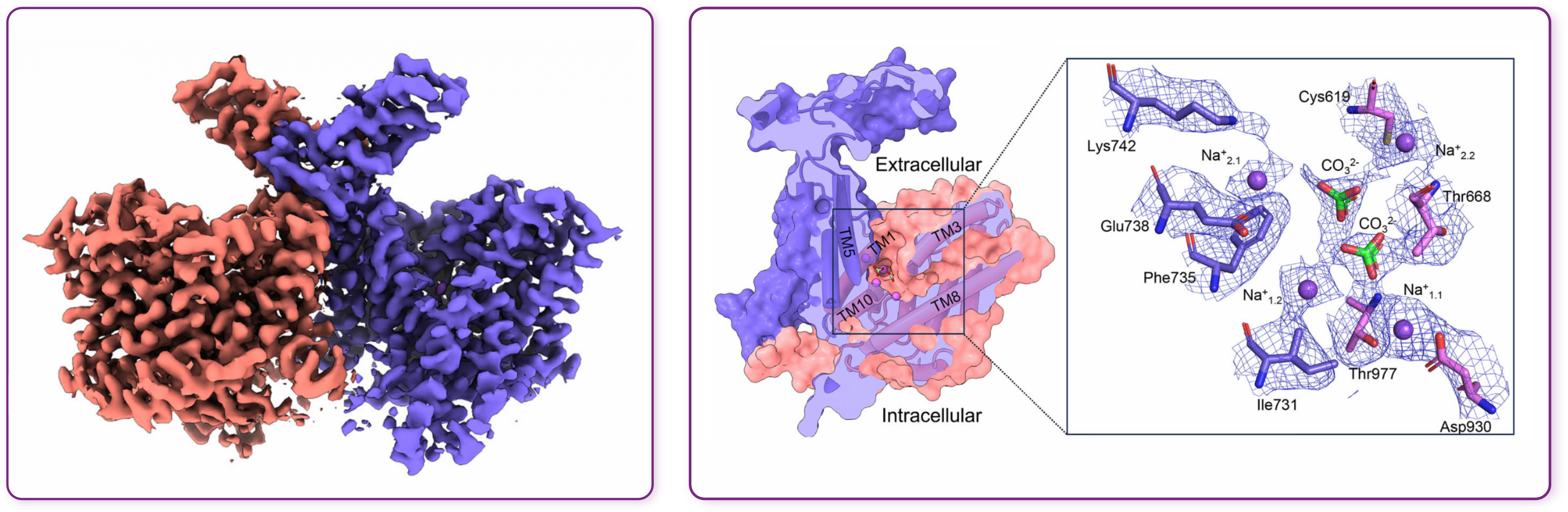
While the cryo-EM structure captured only one state of a dynamic transport cycle, the authors explored inward-facing (IF) and intermediate (Int) conformations of NBCn1 using homology modeling and molecular simulations. Together with molecular dynamics and functional studies to characterize the ion transport cycle, this study proposed an elevator-type transport mechanism. Rather than undergoing a major conformational rearrangement, the core domain moves approximately 5 Å relative to the gate domain, carrying the central ion-binding site from the outward- to the inward-facing position, while the individual core and gate domains remain largely unchanged, with RMSDs below 1 Å.
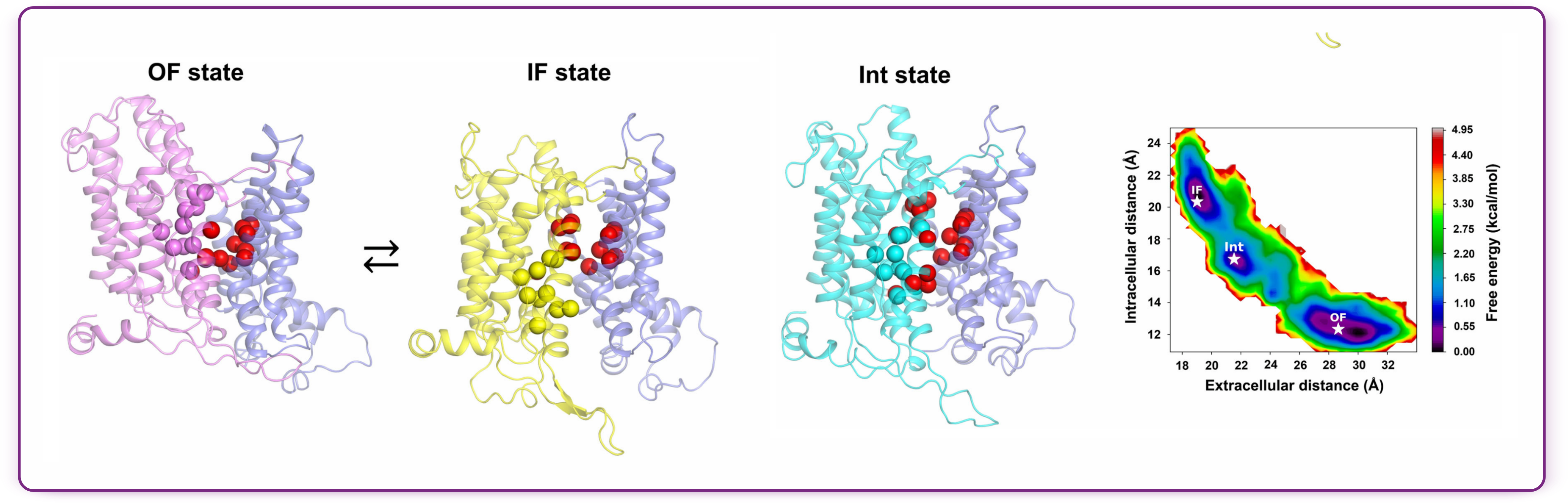
The simulations further indicated relatively small energetic barriers between conformational states and along the ion-permeation pathway, providing a mechanistic explanation for the remarkably rapid transport mediated by NBCn1.
The structural and computational analyses point toward an electroneutral 2Na⁺-CO₃²⁻ transport mode. This has important implications in the context of breast cancer: despite the reversed pH gradient across the tumor-cell membrane, the inward thermodynamic driving force provided by Na⁺ can overcome the opposing CO₃²⁻ gradient, allowing NBCn1-mediated base influx to remain favorable across a broad range of extracellular pH values.
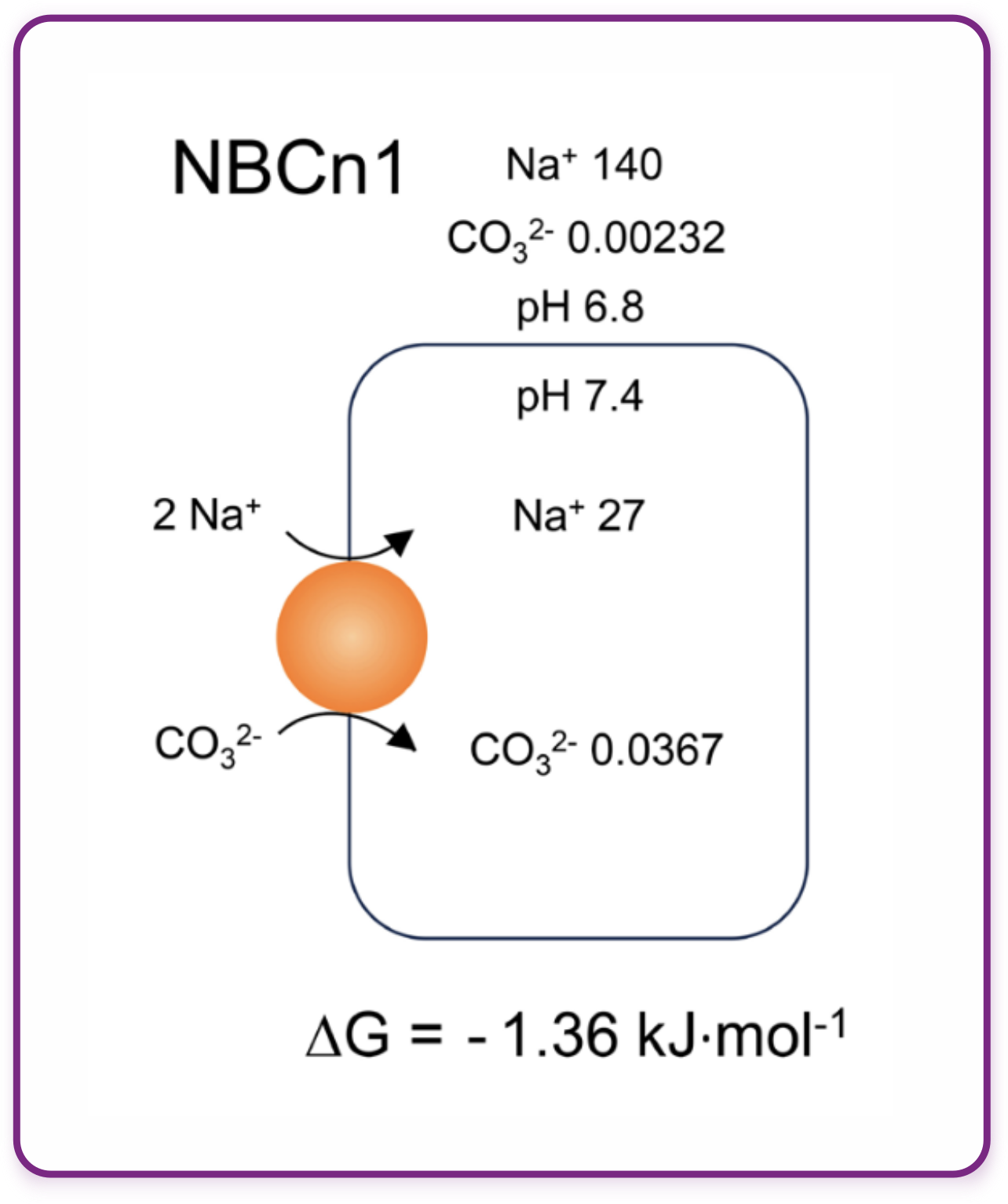 Figure adapted from Wang et al., 2025.
Understanding a Potential Therapeutic Target at the Molecular Level
In this publication, cryo-EM provides the structural anchor for a broader mechanistic investigation into NBCn1, a transporter whose role in breast cancer has already made it therapeutically interesting.
Previous studies have shown that disrupting NBCn1 delays breast cancer development in mouse models [8], while monoclonal antibodies targeting NBCn1 can inhibit net acid extrusion and induce pH-dependent growth inhibition and apoptosis in breast cancer cells [9].
This study adds a structural and mechanistic explanation for why NBCn1 may be so important for breast cancer cell survival. The cryo-EM structure, together with computational and functional analyses, reveals the ion-binding sites and permeation pathways and explains how relatively small conformational changes and favorable ion permeation energetics enable an exceptionally high transport rate.
References
- WHO. Breast cancer.
- Xiong, X., Zheng, L. W., Ding, Y., Chen, Y. F., Cai, Y. W., Wang, L. P., ... & Yu, K. D. (2025). Breast cancer: pathogenesis and treatments.Signal Transduction and Targeted Therapy, 10(1), 49. https://doi.org/10.1038/s41392-024-02108-4
- Breast Cancer Awareness Month. Breastcancer.org.
- WHO Mortality Database (2025), with minor processing by Our World in Data. Leading cancer types causing death in women: sources and processing.
- Siegel, R. L., Giaquinto, A. N., & Jemal, A. (2024). Cancer statistics, 2024.CA: A Cancer Journal for Clinicians, 74(1), 12-49. https://doi.org/10.3322/caac.21820
- Anemone, A., Consolino, L., Conti, L., Irrera, P., Hsu, M. Y., Villano, D., ... & Longo, D. L. (2020). Tumour acidosis evaluated in vivo by MRI-CEST pH imaging reveals breast cancer metastatic potential.British Journal of Cancer, 124(1), 207. https://doi.org/10.1038/s41416-020-01173-0
- Tafech, A., & Stéphanou, A. (2024). On the importance of acidity in cancer cells and therapy.Biology, 13(4), 225. https://doi.org/10.3390/biology13040225
- Lee, S., Axelsen, T. V., Andersen, A. P., Vahl, P., Pedersen, S. F., & Boedtkjer, E. (2016). Disrupting Na⁺, HCO₃⁻-cotransporter NBCn1 (Slc4a7) delays murine breast cancer development.Oncogene, 35(16), 2112-2122. https://doi.org/10.1038/onc.2015.273
- Axelsen, T. V., Olesen, C., Khan, D., Mohammadi, A., Bouzinova, E. V., Nielsen, C. J., ... & Boedtkjer, E. (2024). Antibodies toward Na⁺, HCO₃⁻-cotransporter NBCn1/SLC4A7 block net acid extrusion and cause pH-dependent growth inhibition and apoptosis in breast cancer: Translational Therapeutics.British Journal of Cancer, 130(7), 1206-1220. https://www.nature.com/articles/s41416-024-02591-0